
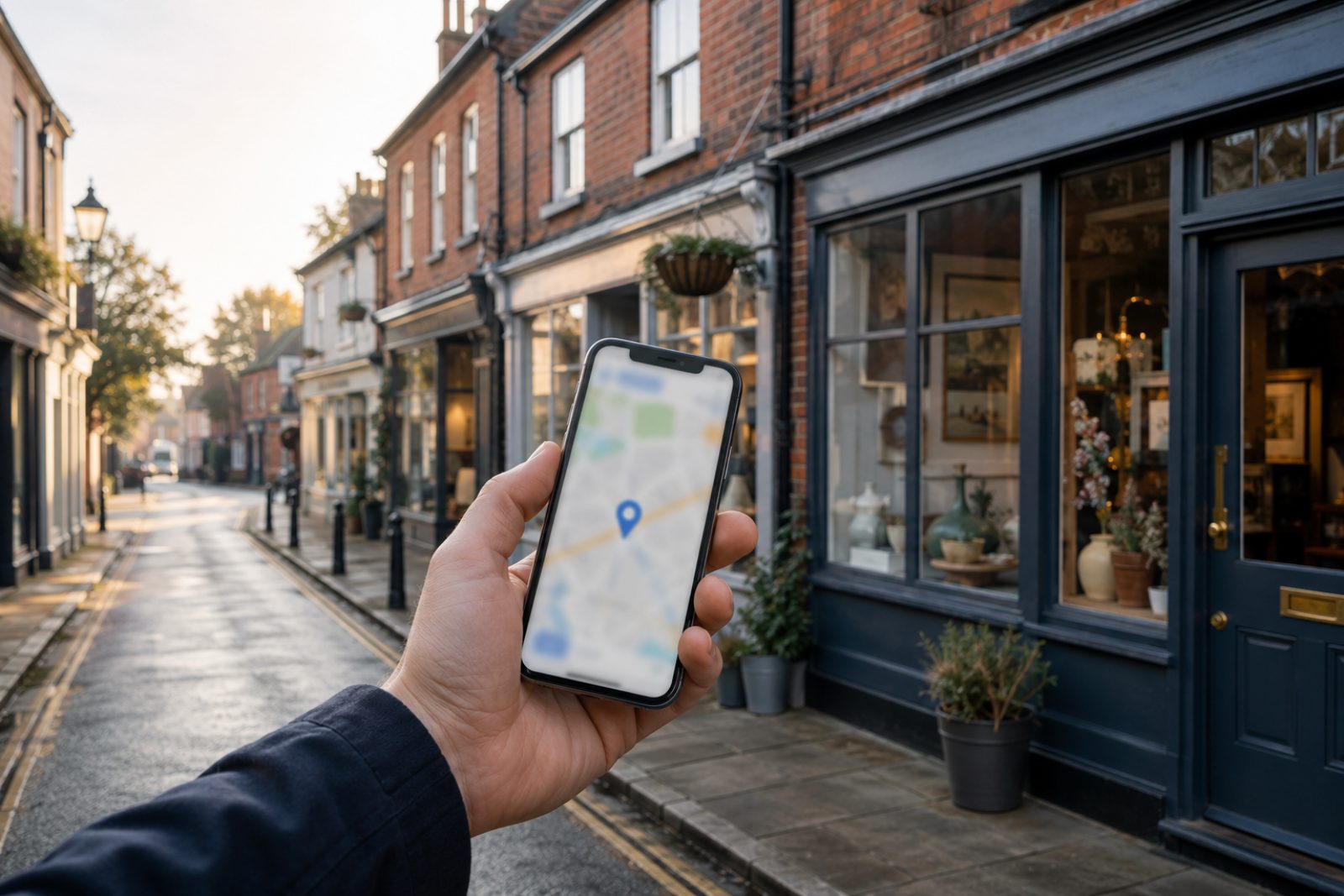
Local search work starts with accurate information about the business, the services it provides and the places it genuinely serves. A useful website gives a potential customer enough context to decide whether to contact you.
Check whether Google Business Profile fits your business
Google Business Profile is intended for eligible businesses that receive customers at a physical location or travel to customers. Do not assume that an online-only service qualifies, or create a local office listing simply to target a market.
Review Google’s business representation guidelines before creating or changing a profile. Use the real business identity and follow the guidance for your operating model and service area.
Make your website specific and useful
A service page should explain the work, who it is for and where it is available. “Boiler repairs in Reading” is useful when the business actually provides that service there and the page contains relevant information. Copying the same page across many towns adds little value to the reader.
Include practical details such as the types of work covered, how an enquiry is assessed and what information a customer should provide. Our website design work considers these questions when planning the structure.
Keep important details accurate
Check company name, contact details, opening hours and service descriptions across the places you maintain. Correct contradictory or outdated information. A registered address, a customer-facing premises and a service area are not necessarily the same thing; describe each accurately instead of inventing a local presence.
Use genuine examples and reviews appropriately. Avoid promising that a particular posting frequency, map embed or wording change will produce a ranking improvement.
Prepare for search and AI features without special promises
Clear text, accessible pages and useful internal links help people and search systems understand the site. Google’s current guidance covers AI Overviews and AI Mode and does not require a special AI file or special schema for inclusion. Meeting technical requirements still does not guarantee that a page will be indexed or shown. See Google’s AI features guidance.
Structured data should describe information that is actually present and accurate. It is not a mechanism for guaranteeing a recommendation from an AI system.
Measure the result you can observe
Separate page availability, indexing, search impressions, visits and actual enquiries. They answer different questions. Record the date and scope of changes so you can interpret later results without attributing every movement to the latest edit.
For an initial review, use the Free Growth Check. A paid website audit or planned Growth Care can be considered where a more detailed programme is appropriate.